
Buying Property in Javea, Spain: A Practical Guide for Serious Buyers
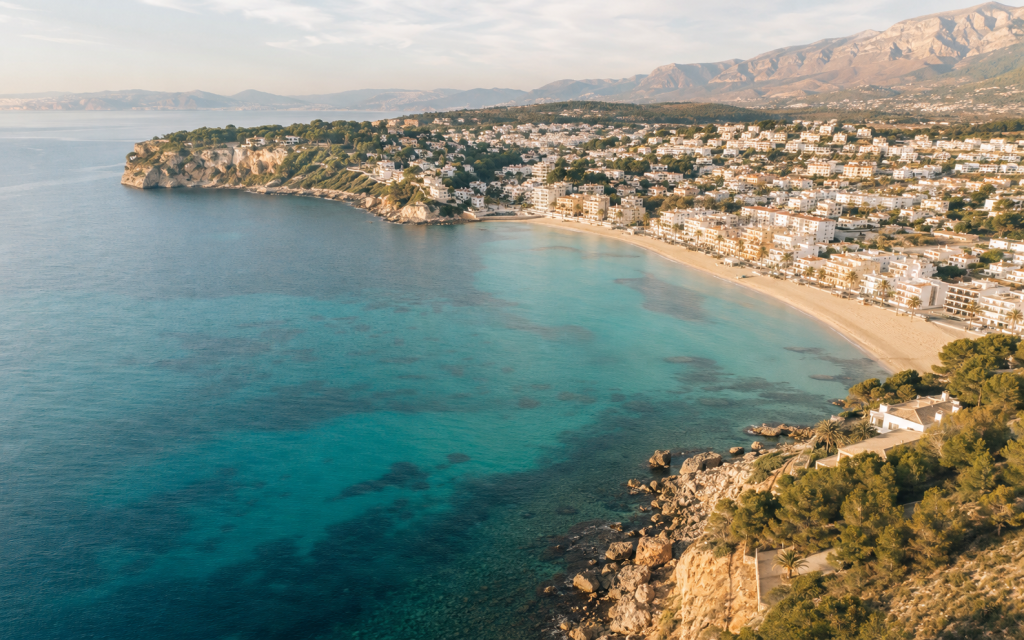
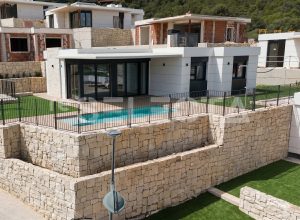
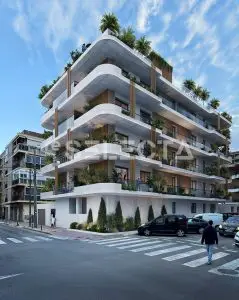
Javea has been one of the most consistently sought-after addresses on the Costa Blanca for decades, and the reasons are structural rather than fashionable. The bay is genuinely beautiful, the town works year-round, and the supply of well-positioned property is genuinely limited. For buyers looking at the northern Costa Blanca, it warrants serious consideration – and a clear understanding of what the market actually looks like.
Why Javea holds its value
Javea (Xabia in Valencian) sits between two rocky headlands – Cap de Sant Antoni to the north and Cap de la Nau to the south – which effectively caps the amount of buildable land. Most of the desirable zones are already developed. New supply is structurally constrained, which means that good property in the right location holds value and appreciates more consistently than in markets with open development land.
The town itself has genuine year-round infrastructure: a proper supermarket network, good medical facilities, an international school, and a restaurant and cultural scene that functions outside July and August. Buyers who intend to live here for extended periods, or who want a base that works outside peak season, find Javea functions in a way that purely tourist-oriented towns on the coast do not.
The buyer profile skews toward long-term owner-occupation rather than short-term rental investment. The dominant nationalities are British, Dutch, German, and Scandinavian, with a growing share of buyers from Belgium and France. This shapes the property culture: well-maintained gardens, considered renovations, stable neighbours.
Neighbourhoods and price ranges
Montanar I and II. The hillside zone above the port, with panoramic views over the bay. One of the most consistently in-demand residential areas in Javea. Predominantly detached villas on mature plots with established gardens. Prices range from €400,000 for older properties requiring renovation to €1.2M+ for well-positioned villas with sea views and updated interiors. Supply is low and turnover is slow.
Cap de la Nau and Portichol. The southeastern headland – the most dramatic coastal positions in the municipality. Front-line properties with direct sea access or cliff-top views command €800,000-€3M+. These rarely come to market and rarely need to be advertised widely when they do. Smaller properties further from the front line start from €350,000.
Tosalet. Inland from the cape, a well-established residential zone of detached villas on generous plots. Popular with buyers who want privacy, space, and proximity to the coast without the front-line premium. Prices from €350,000 to €900,000 depending on plot size and sea view angle.
La Granadella and surroundings. The southwestern coast approaching the cape, with some of the most secluded coves on the Costa Blanca. Limited supply and high prices for the best positions – €600,000 to €2M+ for larger villas. Smaller apartments and townhouses in the €200,000-€400,000 range exist but are rare.
Arenal (the beach zone). The main tourist beach area is popular for holiday apartments and has a larger stock of smaller properties – typically €150,000-€350,000 for apartments. Less suited to the buyer profile reSELECTA typically works with, but liquid if rental income or an entry-level position in the market is the goal.
The old town (Pueblo) and port area. Characterful townhouses and restored village properties in the historic centre and around the fishing port. Supply is limited. Prices reflect the renovation quality – unrenovated properties from €200,000, well-restored houses with terraces from €350,000+.
The purchase process in Spain
Buying property in Spain as a foreign national follows a consistent process regardless of location. The key steps:
NIE number. A Numero de Identificacion de Extranjero is required for any property transaction in Spain. Obtain it before signing any purchase contract or opening a Spanish bank account. See our detailed guide on how to get your NIE in Spain.
Reservation contract (contrato de arras). Once price is agreed, a reservation is signed and a deposit paid – typically 10% of the purchase price. This binds both parties: if the buyer withdraws, the deposit is forfeited; if the seller withdraws, they return double.
Legal due diligence. Your Spanish solicitor checks the Land Registry, verifies there are no outstanding debts or charges on the property, confirms planning legality, and reviews community fees. Budget 1-1.5% of purchase price for legal fees.
Notary and completion. Final signing before a Spanish Notary. The Title Deed (Escritura de Compraventa) is signed, funds transferred, and keys change hands.
Taxes and purchase costs
Budget 10-13% on top of the purchase price for taxes and fees on a resale property in the Valencia region:
- ITP (transfer tax): 10% of the purchase price on resale properties in the Valencian Community.
- Notary and Land Registry fees: approximately 0.5-1% combined.
- Legal fees: typically 1-1.5% of purchase price.
- New build: ITP is replaced by VAT (IVA) at 10%, plus AJD stamp duty at 1.5%.
What to watch for in Javea specifically
Planning on rural land. Some properties in Javea – particularly in more dispersed hillside areas – were built on rustico (rural) land and may have unresolved planning status. This is not necessarily a deal-breaker, but it affects insurability, future extensions, and resale ease. Your solicitor must confirm the property’s planning classification before you commit.
Water supply. Parts of the Javea municipality, particularly in more dispersed zones, rely on private well water or have older water infrastructure. Verify the supply source and condition before purchase.
Access roads. Some hillside properties have private or shared access tracks rather than municipal roads. The maintenance responsibility and condition of these tracks matters for daily use and for future value.
Short-term rental licensing. The Valencia region has introduced licensing requirements for tourist lets. If rental income is part of your plan, confirm the property’s rental licence status or the ability to obtain one before committing.
Off-market access
The best properties in Javea – particularly in Montanar, Cap de la Nau, and Tosalet – rarely appear on public portals. Owners in these zones typically work through trusted local contacts, and the best positions are agreed before they are ever listed. A buyer who relies solely on portal searches will see the residual stock that other buyers have already passed on.
reSELECTA works specifically in this part of the Costa Blanca and maintains active relationships in the Javea market. If you are considering a purchase in Javea, we can give you a direct view of what is actually available and what it is worth. View our current selection or get in touch to discuss your criteria.
FAQ
What is the best area to buy in Javea?
Montanar I and II are the most consistently in-demand residential zones – established, well-maintained, with panoramic bay views and proximity to town. Cap de la Nau and Portichol offer the most dramatic coastal positions at higher prices. Tosalet suits buyers wanting more space and privacy at a moderate premium. The right zone depends on whether you prioritise views, privacy, proximity to the beach, or access to town – each trades off against the others.
Is Javea expensive compared to other Costa Blanca towns?
Yes – Javea is consistently one of the more expensive markets on the northern Costa Blanca, alongside Moraira. The premium reflects genuine scarcity: the municipality is largely built out, new supply is limited, and demand from international buyers has been sustained for decades. The long-term consequence is that well-positioned Javea property tends to hold and grow in value better than equivalent property in more open markets.
Can foreigners get a mortgage to buy in Javea?
Yes. Spanish banks offer mortgages to non-resident foreign buyers, typically at 60-70% loan-to-value for non-residents (versus 80% for residents). You will need a NIE, a Spanish bank account, proof of income from your home country, and the standard due diligence package. See our guide to Spanish mortgages for foreigners for the full process.
How long does a property purchase take in Javea?
From agreeing a price to completion at the notary: typically 6-12 weeks for a straightforward resale purchase. This covers the time to obtain a NIE (if not already held), conduct legal due diligence, arrange financing if required, and schedule the notary appointment. Complex situations – inheritance disputes, planning queries, mortgage approval – can extend the timeline.